


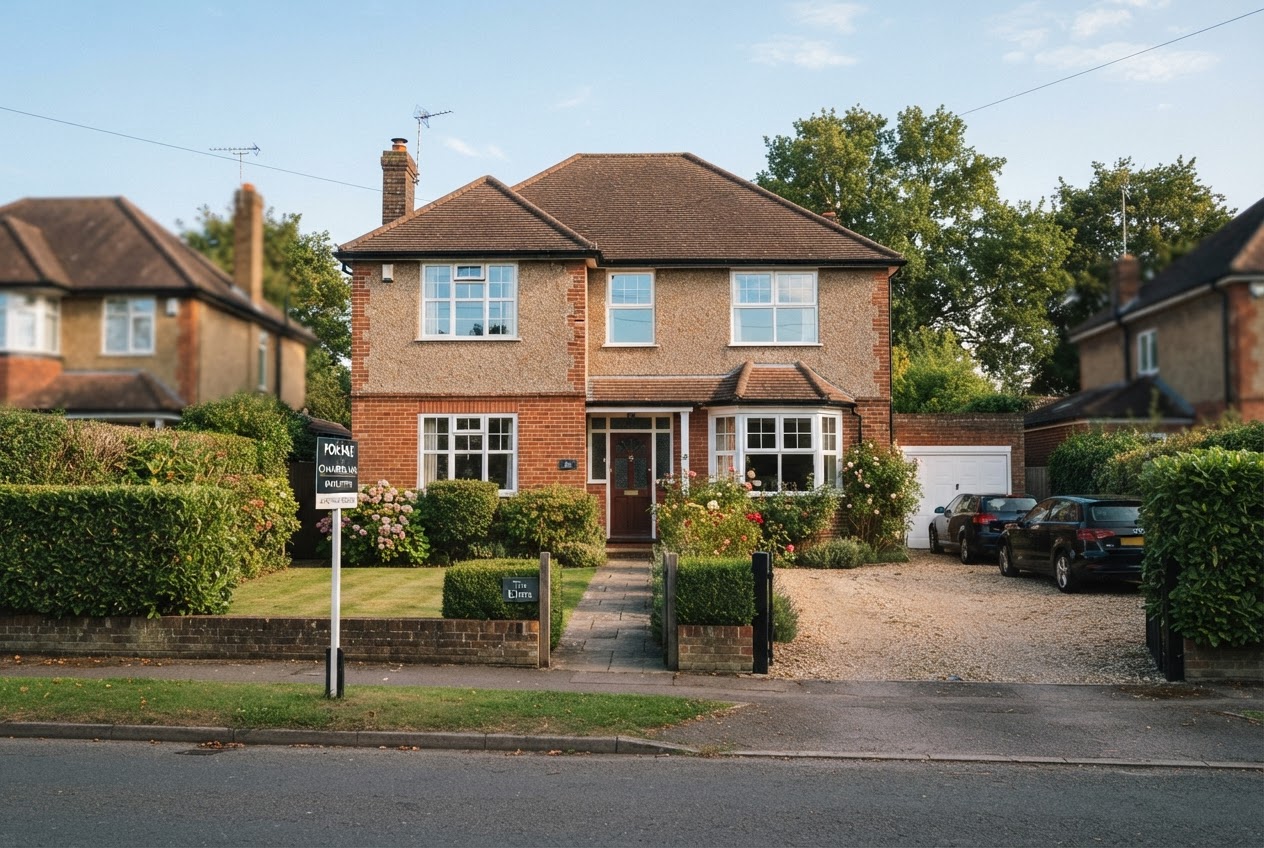

Freehold: you own the lot
Freehold is the simplest form of ownership. You own the building and the land it stands on, outright and with no time limit. There’s no landlord, no ground rent, no lease counting down. Most houses in England and Wales are sold this way. If the roof or the drains go wrong, the cost is yours — but so is every decision. What you see is what you own.
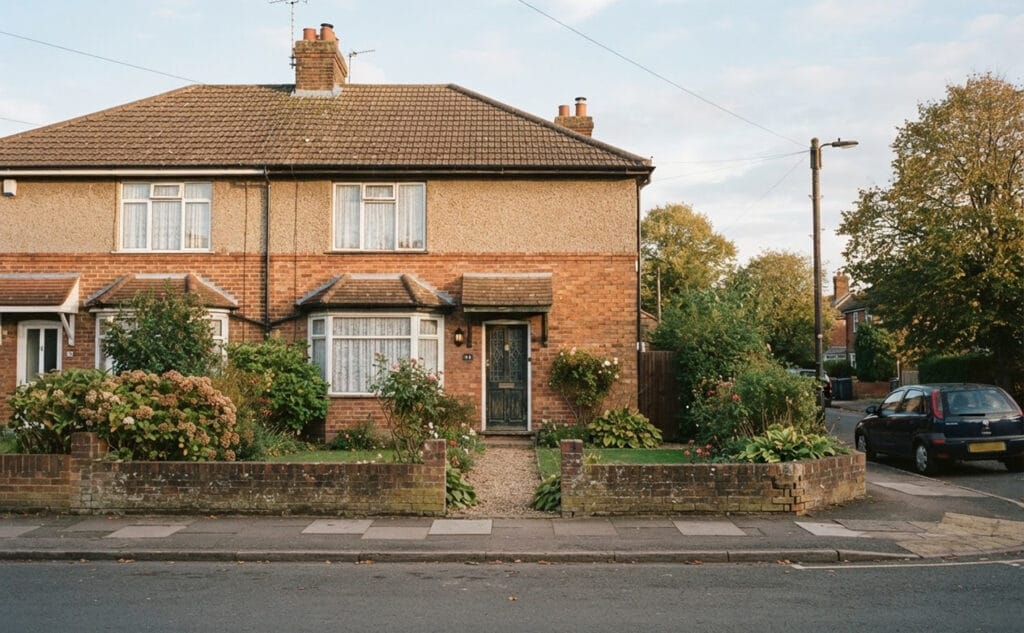
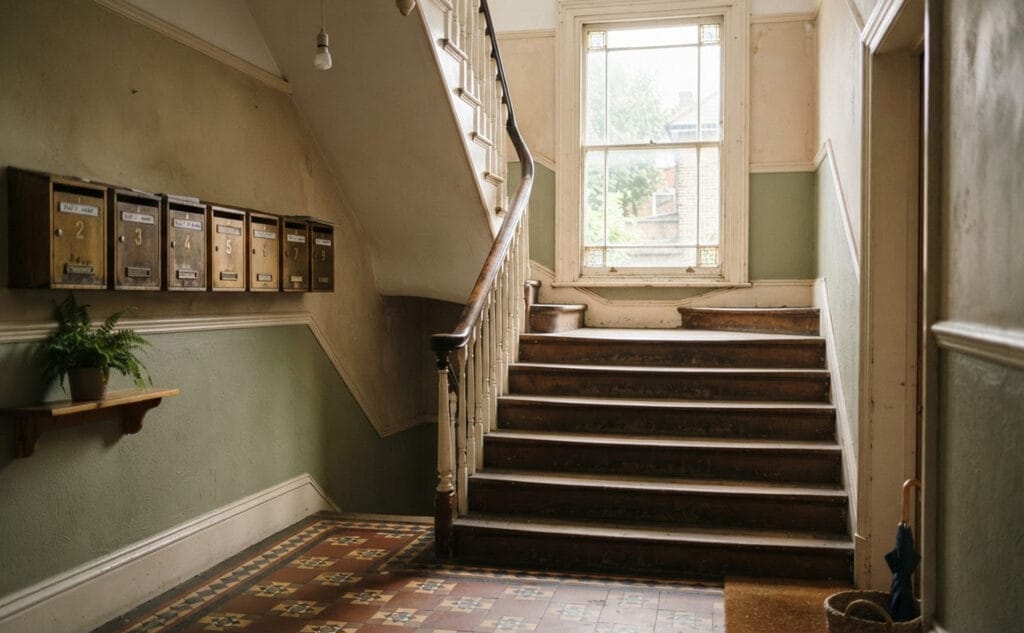
Leasehold: you own the years, not the bricks
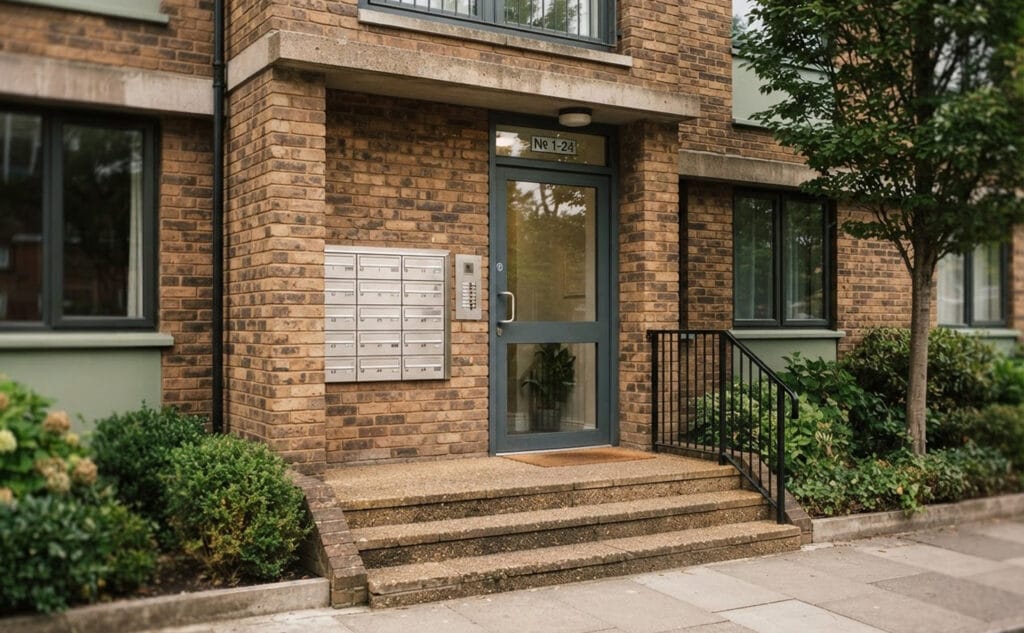
Leasehold is ownership with a time limit. You buy the right to live in the property for the length of the lease — often 99, 125 or 999 years at the start — while someone else, the freeholder, owns the building and the ground beneath it. Most flats are sold this way, because someone has to be responsible for the shared structure and the common parts.
That arrangement carries costs a freeholder never sees. There’s usually a service charge for maintaining the building, which can range from modest to eye-watering and can jump sharply when major works fall due. There may be ground rent, a yearly sum paid to the freeholder for nothing in particular — though leases granted since mid-2022 must set this at a peppercorn, meaning effectively nothing. And there are often fees for permission to do things a freeholder would simply do: keep a pet, sublet, move a wall. Ask for the last few years of service-charge accounts before you offer; the figure on the listing rarely tells the whole story.
Share of freehold: usually the best seat
Share of freehold is what it sounds like. You own the leasehold of your flat and, alongside the other flat owners, a share of the freehold of the whole building — normally through a company the owners run between them. You still hold a lease, but you and your neighbours are collectively your own landlord. That usually means more control over the service charge, over who does the work, and over extending leases when the time comes. It’s generally the most comfortable of the three for a flat — provided the owners can agree with one another.
The number that matters most
For any leasehold flat, the single most important figure is how many years are left on the lease. A long lease is barely different from freehold in daily life. A short one — under about 80 years — is another matter: it costs more to extend, can knock money off the value, and can make some lenders reluctant to offer a mortgage at all. Always ask the remaining term, not the original one.
The law here is changing. The government has set out plans to make lease extensions cheaper and longer, to cap ground rents, and to move new flats towards commonhold ownership instead of leasehold. Much of it isn’t in force yet, and the timelines keep shifting — so weigh up the lease in front of you as it stands today, not as it might one day become. This is a guide rather than legal advice; your conveyancer will confirm the specifics before you commit.
Freehold, leasehold, share of freehold: three words that look like paperwork and behave like money. Knowing which one you’re buying — and what it carries with it — is the difference between a clean purchase and a surprise a year in.
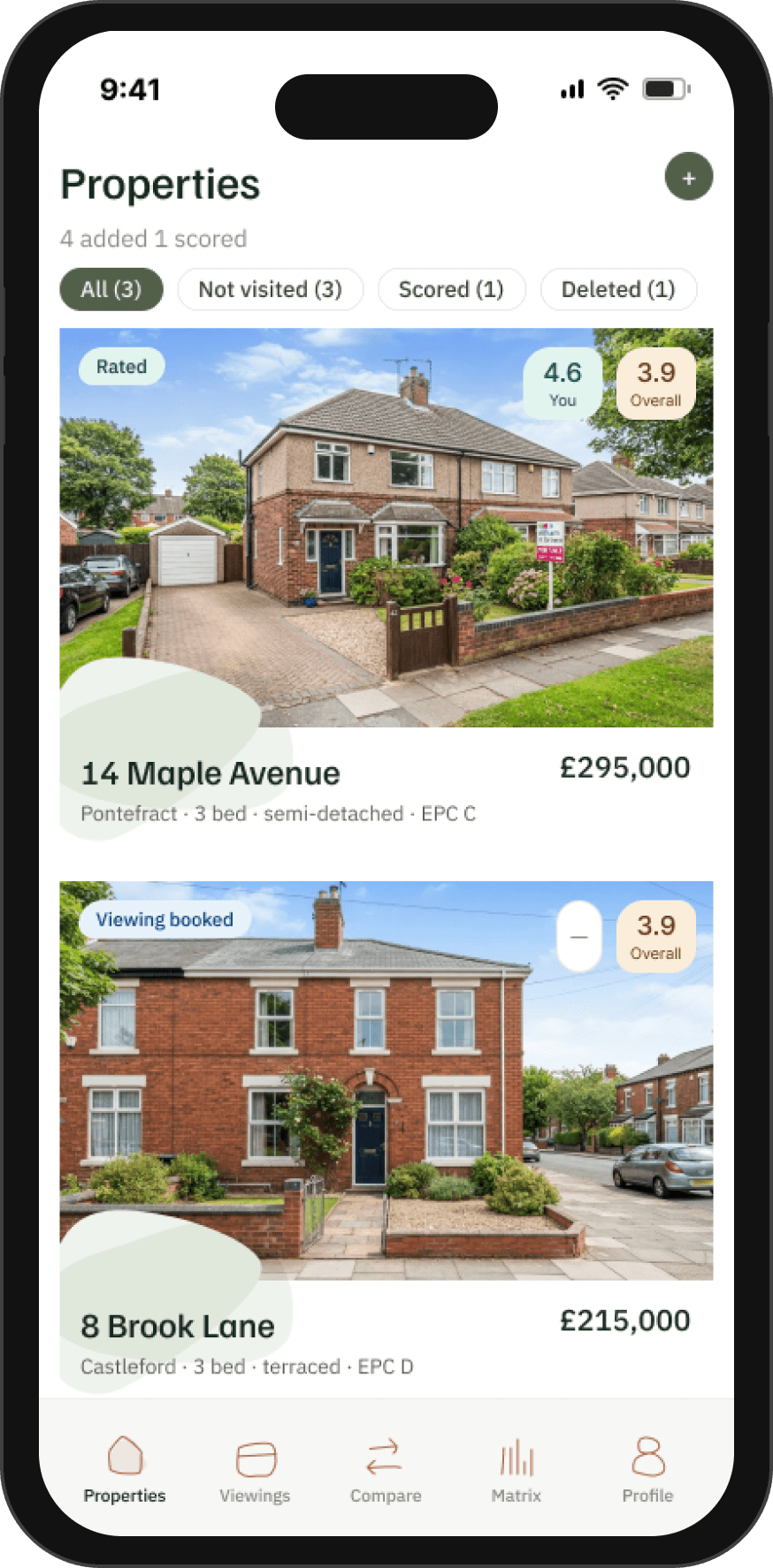
Toflit shows each property’s tenure right next to its price and running costs, so you’re weighing what you’ll actually own — not just the number on the listing.