


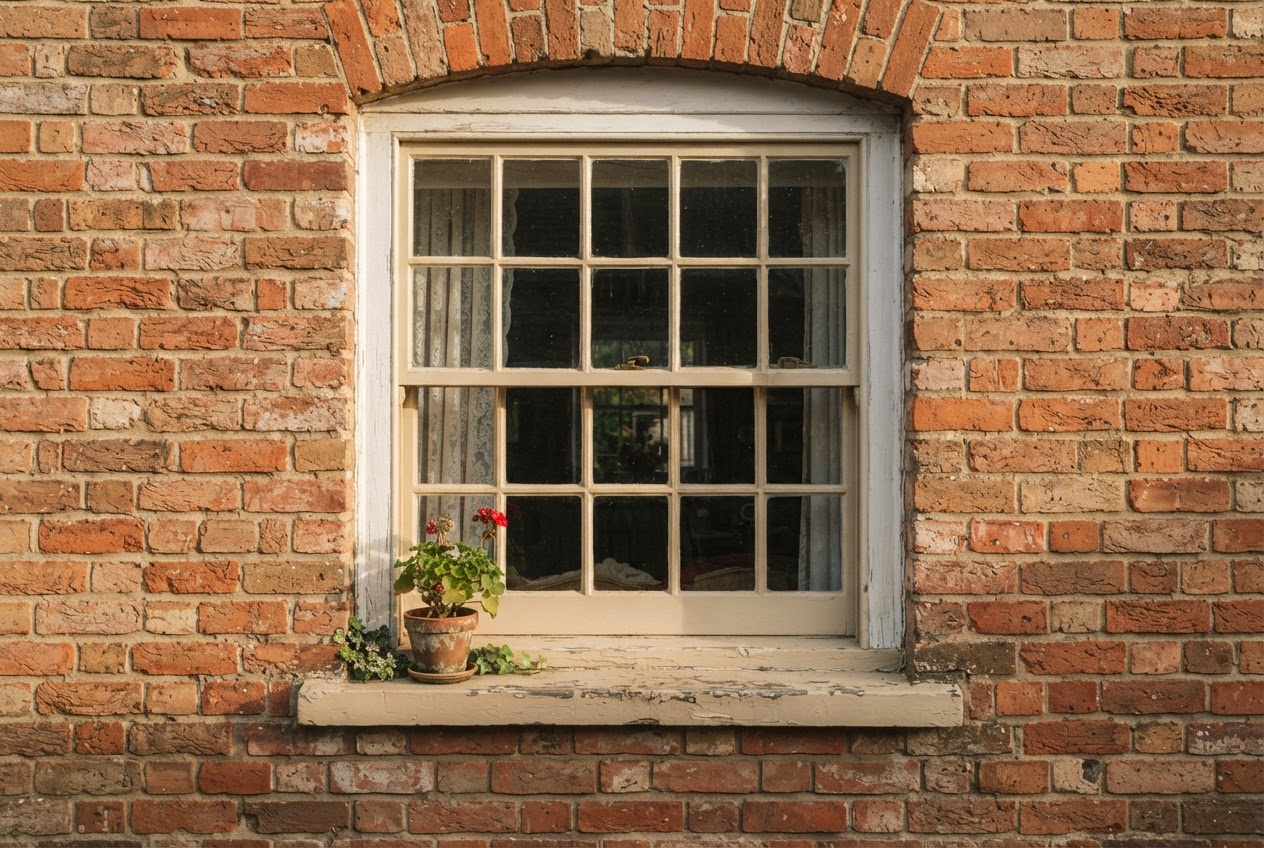

The building
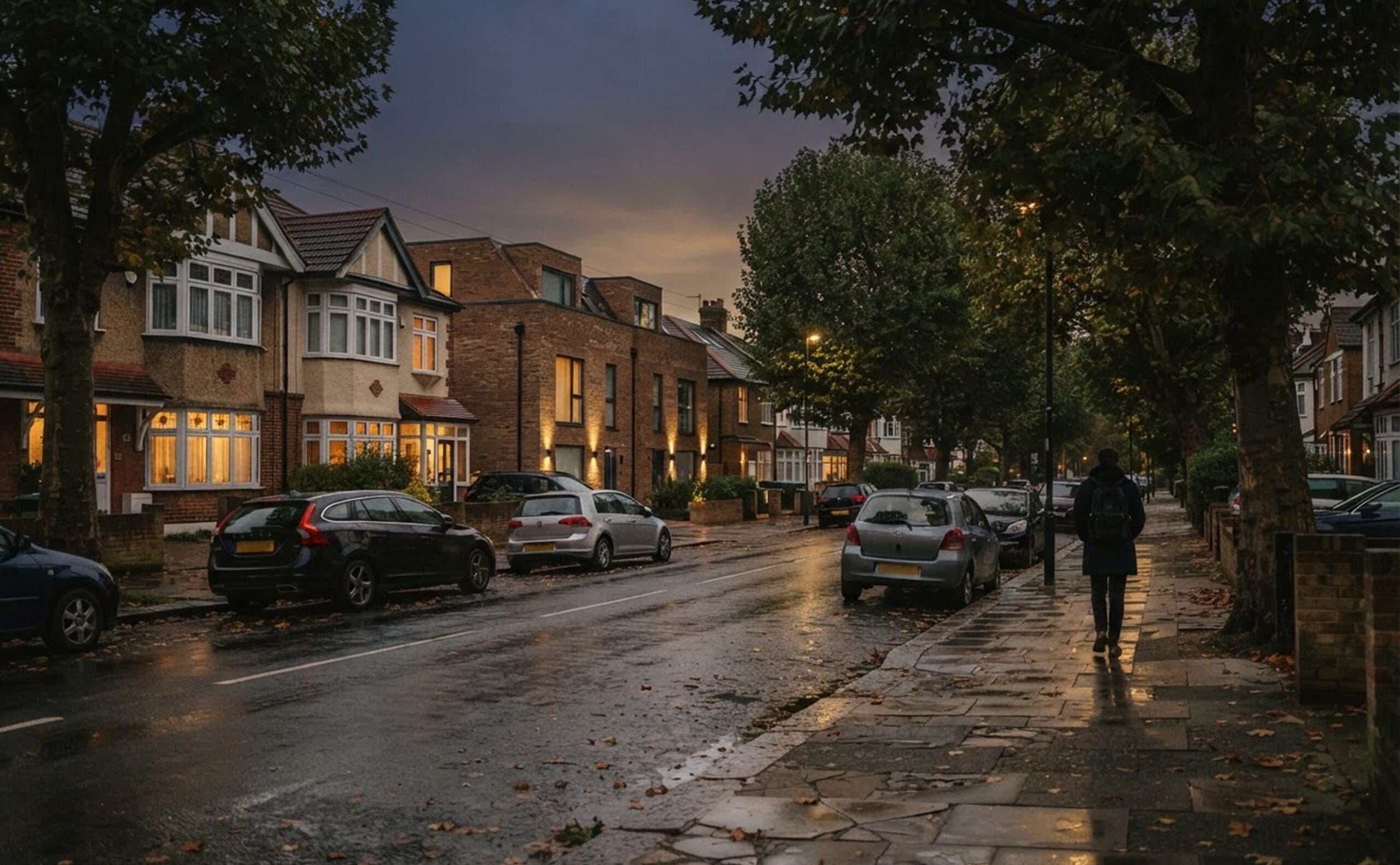
Go at a different time of day than your first visit. A street that’s quiet on a Sunday morning can be a rat-run at 5pm. Listen for road and rail noise with the windows open. Run a tap and flush a loo to check water pressure. Look at the same walls in different light — damp and patch repairs hide well on a bright afternoon.
- Which way does the garden face, and when does it get sun?
- Where does the water go when it rains hard? (Look for staining, guttering, low spots.)
- Do the windows and doors open and close properly on every floor?
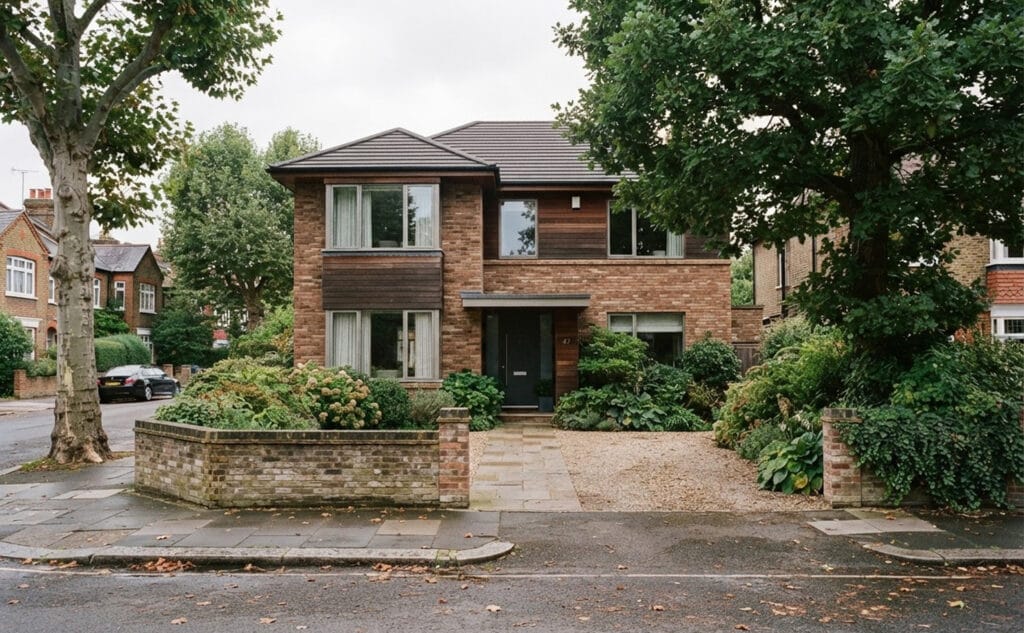
The agent
The agent works for the seller, but they still have to answer a direct question. Keep them specific.
- How long has it been on the market, and has the price changed?
- Why is the seller moving?
- Has a sale fallen through before? If so, do they know why?
- What’s included — appliances, fixtures, the shed at the bottom of the garden?
The paperwork
You won’t get everything at a viewing, but you can find out what exists.
- Is there anything unusual in the title — shared access, covenants, a right of way?
- Has any work been done that needed building regulations or planning permission?
- Are there guarantees for the roof, the boiler, or any damp treatment?
Ask yourself
Some of the most useful questions aren’t for anyone else.
- If the two of you scored this today, would you agree — or is one of you talking the other round?
- What would have to be true for this to still feel right in three years?
- What are you choosing to overlook, and is it fixable or permanent?
A good second viewing often ends with the house slightly less perfect than it was in your head — and that’s the point. You’re not looking for reasons to fall in love. You’ve done that. You’re looking for the reasons not to, while there’s still time to walk away.
The second viewing works best when it builds on the first instead of starting over.
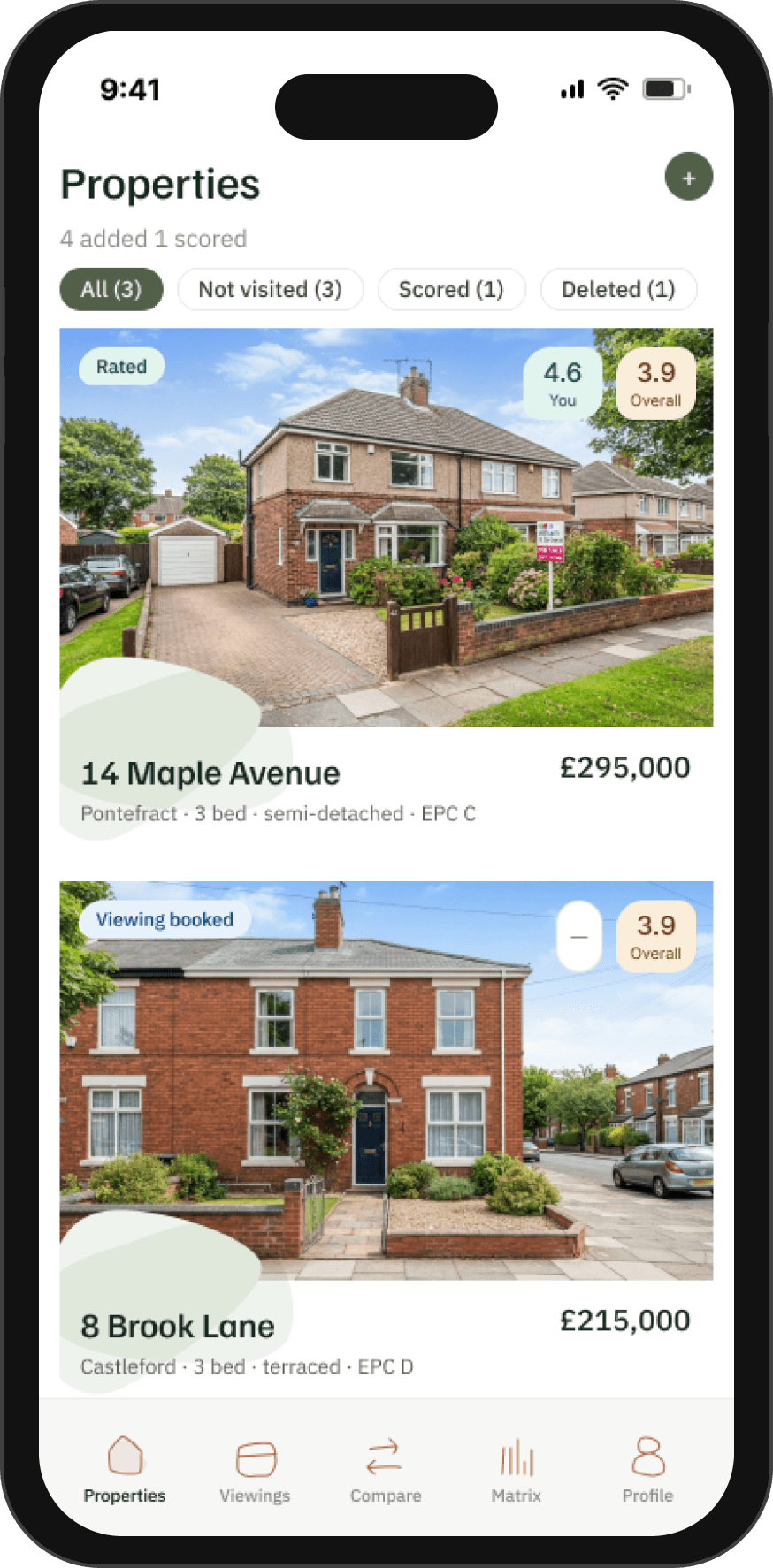
Toflit keeps every answer in one place, so nothing gets lost between visits.